
When choosing a smartphone, most people look at RAM capacity, such as 8GB, 12GB or 16GB. However, RAM capacity is not the only factor that determines how efficiently a smartphone handles applications, multitasking and gaming. The type of RAM used in a smartphone also plays an important role.
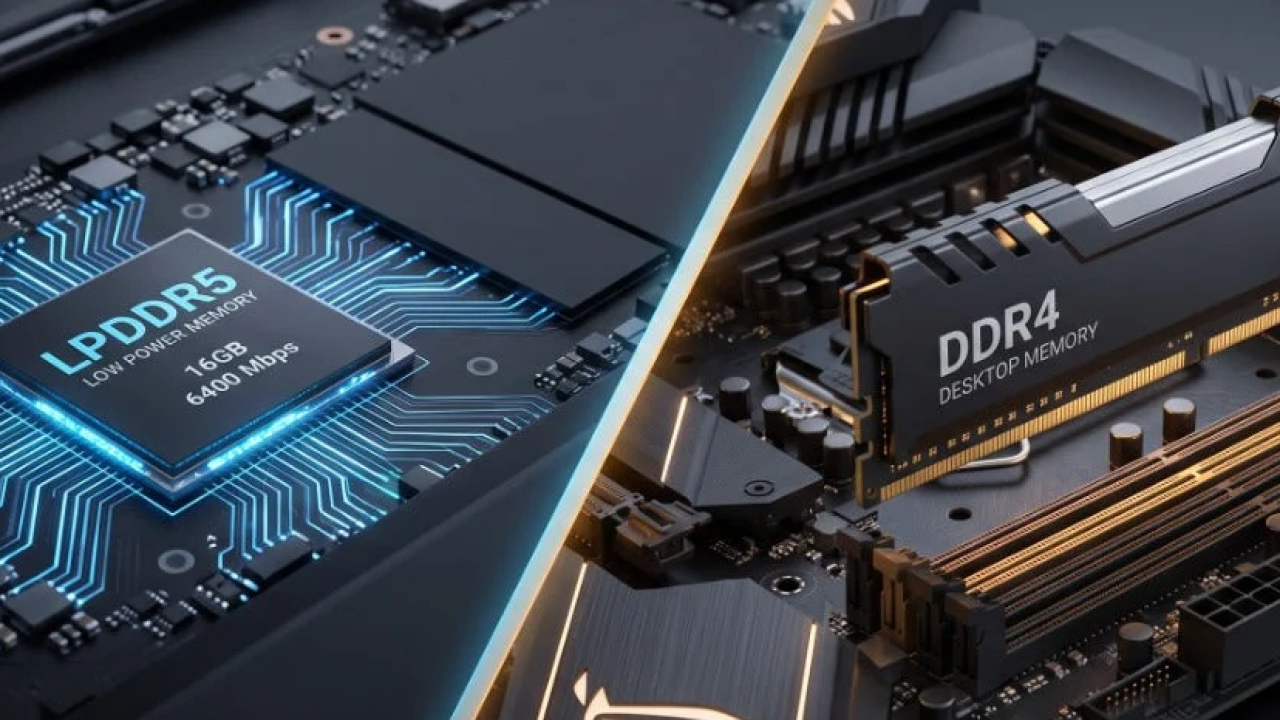
Modern smartphones use different generations of Low Power Double Data Rate (LPDDR) memory, including LPDDR4X, LPDDR5 and LPDDR5X. Each generation brings improvements in data transfer speeds, power efficiency and overall memory performance.
But what exactly is the difference between LPDDR4X, LPDDR5 and LPDDR5X? Does having LPDDR5X automatically make a smartphone faster? Let’s understand how these memory technologies work and which one is better.
If you are planning to purchase a new device, exploring the latest mobile phones and comparing their hardware specifications can help you make a better buying decision.
What Is LPDDR RAM in Smartphones?
LPDDR stands for Low Power Double Data Rate. It is a type of memory specifically designed for devices that operate on battery power, such as smartphones, tablets and lightweight laptops.
Unlike internal storage, which permanently stores photos, videos and applications, RAM temporarily holds data that the processor needs to access quickly.
For example, when you open a mobile game, switch between applications or browse multiple websites, your smartphone uses RAM to keep relevant data readily available.
LPDDR memory is designed to provide high data transfer speeds while consuming relatively little power, helping smartphones balance performance and battery efficiency.
What Is LPDDR4X?
LPDDR4X is an improved version of LPDDR4 memory designed to offer better power efficiency.
It uses a lower operating voltage than standard LPDDR4, helping reduce power consumption during everyday smartphone usage.
LPDDR4X became widely used in smartphones across different price segments because it offered a practical balance between performance, cost and battery efficiency.
Key features of LPDDR4X
Designed for low-power mobile devices.
Supports data transfer speeds of up to 4,266 MT/s.
Offers improved power efficiency compared with standard LPDDR4.
Suitable for everyday applications, multitasking and mobile gaming.
Commonly found in older and budget-oriented smartphone platforms.
Although LPDDR4X is an older memory generation, it can still provide a satisfactory experience for everyday smartphone activities.
What Is LPDDR5?
LPDDR5 is the next major generation of low-power memory after LPDDR4X.
It introduces improvements in memory bandwidth, data transfer speeds and power management. These improvements help smartphones handle demanding applications and multitasking more efficiently.
LPDDR5 can support data transfer speeds of up to 6,400 MT/s in its original specification.
Key features of LPDDR5
Higher data transfer speeds than LPDDR4X.
Improved memory bandwidth.
Better power management.
Designed to support demanding mobile applications.
Suitable for high-performance smartphones and gaming devices.
The increased bandwidth can help the processor access data more efficiently, particularly when multiple applications and demanding workloads are running simultaneously.
What Is LPDDR5X?
LPDDR5X is an enhanced version of LPDDR5 that further improves memory performance and power efficiency.
It was designed to deliver higher data transfer rates while maintaining the low-power characteristics required by smartphones.
LPDDR5X supports data transfer speeds of up to 8,533 MT/s in its initial specification, with later specification revisions supporting higher rates.
Key features of LPDDR5X
Higher transfer speeds than standard LPDDR5.
Increased memory bandwidth.
Improved power efficiency through memory architecture and operating improvements.
Designed for demanding applications and advanced mobile processors.
Particularly useful for high-performance smartphones and AI-related workloads.
LPDDR5X is increasingly used in premium smartphone platforms, where higher memory bandwidth can help support advanced processing, graphics and on-device AI workloads.
LPDDR4X vs LPDDR5 vs LPDDR5X: Key Differences
| Feature | LPDDR4X | LPDDR5 | LPDDR5X |
|---|---|---|---|
| Generation | Older | Newer | Newest of these three |
| Maximum speed in original specification | 4,266 MT/s | 6,400 MT/s | 8,533 MT/s |
| Memory bandwidth | Lower | Higher | Highest |
| Power efficiency | Good | Improved | Further improved |
| Performance potential | Basic to moderate | High | Very high |
| Typical applications | Budget and older phones | Mid-range and flagship platforms | Premium and high-performance phones |
Note: These are maximum data rates from the respective original specifications, not guaranteed speeds in every smartphone. Actual memory speed depends on the chipset, memory configuration and device implementation.
Does LPDDR5X Make a Smartphone Faster?
LPDDR5X can improve the speed at which the processor accesses data from RAM. This is particularly useful for workloads that require higher memory bandwidth.
Some potential benefits include:
Smoother multitasking when applications require substantial memory bandwidth.
Better support for demanding mobile games.
More efficient handling of large data workloads.
Improved support for on-device AI processing.
Potentially better energy efficiency depending on implementation.
However, LPDDR5X does not automatically make every smartphone faster.
The processor, software optimisation, storage technology, cooling system and RAM capacity also influence the overall user experience.
For example, a smartphone with LPDDR5X memory and a weaker processor may not outperform a smartphone with LPDDR5 memory and a more powerful processor in every situation. Understanding how smartphone processors work can help explain why memory is only one part of overall performance.
Does RAM Type Matter More Than RAM Capacity?
No. Both RAM capacity and RAM generation matter, but they serve different purposes.
RAM capacity determines how much temporary data a smartphone can keep readily available. RAM generation influences memory speed, bandwidth and power efficiency.
Consider these examples:
8GB LPDDR4X: Provides 8GB of memory capacity with older-generation memory performance.
8GB LPDDR5: Offers the same capacity with higher potential memory bandwidth.
8GB LPDDR5X: Provides the same capacity with even higher potential bandwidth.
A smartphone with 12GB RAM can also handle more simultaneous memory demands than an otherwise similar phone with 8GB RAM, although software management and memory requirements affect the actual difference.
Therefore, it is important to consider both RAM capacity and RAM generation when comparing smartphone specifications.
Which LPDDR RAM Is Best for Gaming?
LPDDR5X offers the highest memory bandwidth among these three generations, making it the strongest option from a memory specification perspective.
However, gaming performance does not depend on RAM generation alone.
The following components also matter:
CPU performance for game logic and processing.
GPU performance for graphics rendering.
Cooling system for sustained performance.
RAM capacity for demanding games and background applications.
Display refresh rate for visual smoothness.
A smartphone with LPDDR5X may have an advantage in memory-intensive workloads, but the chipset and cooling system can make a bigger difference in actual gaming performance.
If gaming is your priority, comparing mobile phones based on their complete hardware configurations is more useful than looking at RAM generation alone.
Which LPDDR RAM Should You Choose?
The right choice depends on your smartphone requirements and budget.
LPDDR4X: Suitable for budget smartphones and regular usage, including browsing, social media and basic applications.
LPDDR5: A good choice for users who want better memory performance and a smartphone capable of handling demanding applications and multitasking.
LPDDR5X: Best suited to users looking for advanced memory bandwidth, premium smartphone performance and support for demanding workloads.
Conclusion
LPDDR4X, LPDDR5 and LPDDR5X are different generations of low-power memory designed for smartphones and other portable devices.
LPDDR4X offers reliable performance for everyday usage, LPDDR5 improves memory bandwidth and power management, while LPDDR5X takes memory performance further with higher data transfer speeds.
Although LPDDR5X is technically the most advanced option among the three, the best smartphone is not necessarily the one with the newest RAM generation. Processor performance, RAM capacity, battery efficiency, software optimisation and cooling also play important roles.
Before purchasing a smartphone, compare its complete hardware specifications rather than choosing based on RAM generation alone. A good smartphone comparison platform can make this process easier by helping you evaluate different devices based on your requirements.
FAQs
What is the main difference between LPDDR4X, LPDDR5 and LPDDR5X?
The main difference is their data transfer speed, memory bandwidth and power efficiency. LPDDR5 offers improvements over LPDDR4X, while LPDDR5X further increases memory performance and bandwidth.
Is LPDDR5X better than LPDDR5?
Yes. LPDDR5X supports higher data transfer speeds and offers improvements in memory efficiency compared with standard LPDDR5. However, actual performance depends on the smartphone’s processor and memory configuration.
Does LPDDR5X improve gaming performance?
LPDDR5X can provide higher memory bandwidth, which may benefit demanding gaming workloads. However, gaming performance also depends on the CPU, GPU, cooling system and software optimisation.
Is 8GB LPDDR5 better than 12GB LPDDR4X?
Not necessarily. 8GB LPDDR5 offers higher potential memory bandwidth, while 12GB LPDDR4X provides greater memory capacity. The better option depends on multitasking requirements and the overall smartphone hardware.
Does LPDDR5X consume less battery?
LPDDR5X includes improvements designed to enhance power efficiency. However, actual battery consumption depends on memory usage, smartphone hardware, software and workload.
Which smartphones use LPDDR5X RAM?
Many premium and high-performance smartphones use LPDDR5X memory. Its availability depends on the processor platform and the manufacturer’s hardware configuration.